
Favorite Products For Windows Setup And Maintenance
Equip yourself with popular tools and accessories that support smooth Windows installation and ongoing system health.
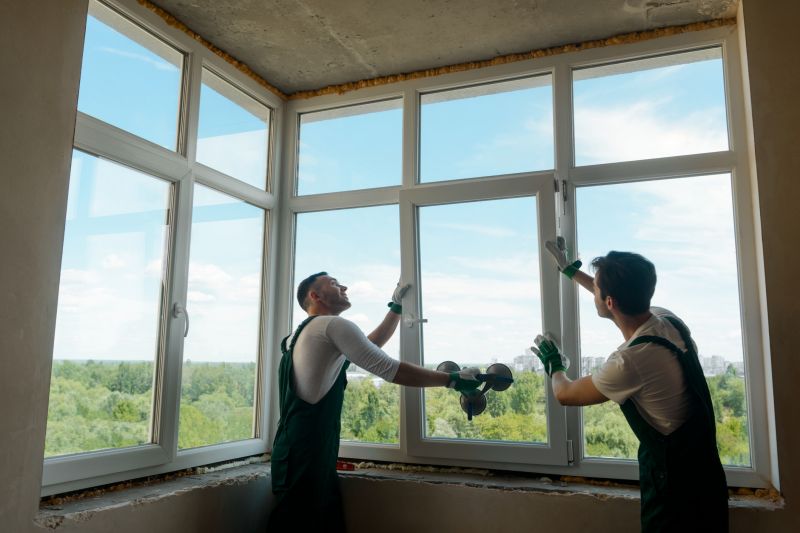 Installing windows requires a selection of specialized products to ensure proper fit, insulation, and durability. From weatherproofing tapes to sealing compounds, the right products can help achieve a professional finish and long-lasting results. The variety of available options allows for customization based on the specific type of window, installation environment, and personal preferences. Whether undertaking a new construction project or replacing existing windows, selecting appropriate materials is essential for a successful installation.
Top Overall Option
Universal Window Installation Kit
A comprehensive kit that includes essential components such as weatherproofing tapes, sealants, and flashing materials designed to accommodate a variety of window types and installation scenarios. Its versatility makes it suitable for both DIY enthusiasts and professional contractors aiming for a reliable and efficient installation process.
Types of Products For Windows Installations
Weatherproofing Tape
Used to seal gaps and joints around window frames to prevent air and water infiltration.
Window Flashing
Metal or membrane flashing that directs water away from the window opening, protecting the structure.
Sealants and Caulks
Flexible compounds applied around window perimeters to create airtight and watertight seals.
Insulation Foam
Expanding foam used to fill gaps and improve thermal insulation around window frames.
Sill Pan
A tray or pan installed at the window sill to direct water away from the wall cavity.
Interior Trim and Molding
Decorative and finishing products used to cover gaps and enhance aesthetics inside the window area.
Exterior Cladding Sealants
Sealants designed for exterior use to protect against weather elements and prolong the life of the installation.
Window Anchors and Fasteners
Hardware used to securely attach the window frame to the building structure.
Vapor Barriers
Materials that prevent moisture transfer, helping to control indoor humidity and prevent mold.
Sash Locks and Hardware
Components for securing and operating the window sash effectively.
Replacement Glazing
Glass units designed for replacing damaged or outdated panes within existing window frames.
Window Screens
Mesh panels that allow airflow while keeping insects out, often installed during window installation.
Drainage Systems
Components that facilitate proper water runoff and prevent accumulation around the window frame.
Window Capping
Protective covers used to seal and finish the exterior edges of the window frame.
Weather Stripping
Materials applied to the sash or frame to improve sealing and energy efficiency.
Exterior Sealant Tape
Self-adhesive tapes that provide an additional layer of weatherproofing around window perimeters.
Popular Choices
Widely used for sealing joints and preventing drafts around windows.
Commonly chosen for their durability and water resistance in exterior applications.
Popular for creating flexible, long-lasting seals around window frames.
Frequently used to fill gaps and improve thermal performance.
Popular for finishing the inside of window openings with a clean, professional look.
Chosen for their weather resistance and compatibility with various siding materials.
Commonly selected for secure attachment of window frames.
Frequently used for upgrading or repairing existing windows.
Popular for ensuring proper water runoff and protecting the wall assembly.
A common choice for improving energy efficiency and reducing drafts.
Often preferred for their ease of application and reliable sealing properties.
Frequently installed to prevent water damage at the window base.
Popular for finishing and protecting window edges from the elements.
Commonly used in climates with high humidity to prevent moisture intrusion.
Popular for ensuring secure and functional window operation.
Proper preparation is key when working with window installation products. This includes measuring accurately to select the correct sizes and types of materials. Using high-quality sealants and weatherstripping can improve energy efficiency and prevent drafts. For exterior applications, durable flashing and waterproof membranes provide added protection against water intrusion. Interior finishing products like trim and caulking contribute to a polished appearance and help seal gaps.
The market offers a broad spectrum of products designed for different installation scenarios. Some products are specifically formulated for wood, vinyl, or aluminum frames, ensuring compatibility and optimal performance. Additionally, there are products tailored for specific climates, such as high-humidity or extreme temperature zones. Choosing the right combination of items can simplify the installation process and enhance the overall quality of the finished window setup.
Investing in the appropriate products for window installation can help achieve a secure, insulated, and aesthetically pleasing result. It is advisable to consider factors such as product durability, ease of application, and compatibility with existing materials. Consulting with professionals or reviewing detailed product specifications can aid in making informed decisions. Properly selected and applied products contribute to the longevity and performance of the windows, making them a worthwhile component of any installation project.
Key Buying Considerations
- Compatibility with the type of window being installed (wood, vinyl, aluminum).
- Durability of materials in the local climate conditions.
- Ease of application and whether tools or additional skills are required.
- Waterproofing capabilities to prevent leaks and water damage.
- Thermal insulation properties to improve energy efficiency.
- Compatibility with existing building materials and siding.
- Flexibility and adhesion strength of sealants and tapes.
- UV resistance for exterior products exposed to sunlight.
- Availability of the product in appropriate sizes and quantities.
- Manufacturer reputation and product reviews for reliability.
- Cost-effectiveness considering longevity and performance.
- Compatibility with interior finishing materials like trim and moldings.
- Resistance to mold, mildew, and other environmental factors.
- Ease of removal or replacement in future maintenance.
- Compliance with local building codes and standards.